
The internet has become an essential part of modern life, transforming the way people communicate, work, learn, shop, and access information. Over the past few decades, internet technology has evolved from simple web pages and email services to cloud computing, online streaming, artificial intelligence, and smart connected devices. As technology continues to advance, a new phase known as Next Generation Internet (NGI) is emerging to create a faster, more secure, intelligent, and user-focused digital ecosystem.
Next Generation Internet Technology is not a single invention or replacement for today’s internet. Instead, it represents a combination of advanced technologies designed to improve internet performance, strengthen cybersecurity, enhance privacy, support billions of connected devices, and deliver seamless digital experiences. Technologies such as Artificial Intelligence (AI), 5G and future 6G networks, edge computing, blockchain, cloud computing, quantum communication, and the Internet of Things (IoT) are all contributing to the future of the internet.
As governments, technology companies, and research organizations continue investing in digital innovation, understanding Next Generation Internet Technology has become increasingly important for students, professionals, businesses, and everyday users. This guide explains what NGI is, how it works, its key technologies, benefits, challenges, and future possibilities in simple language.
What Is Next Generation Internet Technology?
Next Generation Internet Technology refers to the next evolution of internet infrastructure that focuses on creating a faster, smarter, safer, and more reliable digital environment. Unlike the traditional internet, which primarily connects websites and computers, the next-generation internet aims to connect people, devices, machines, vehicles, healthcare systems, industries, and cities through intelligent communication networks.
Rather than simply increasing internet speed, NGI is designed to improve how information is processed, shared, protected, and managed. It combines advanced networking technologies with intelligent software to deliver better performance, lower latency, stronger security, and improved user experiences.
The goal of Next Generation Internet Technology is to build a digital ecosystem that supports future innovations while ensuring privacy, trust, accessibility, and sustainability for users around the world.
How Next Generation Internet Technology Works
The Next Generation Internet operates through the integration of several advanced technologies that work together to deliver faster communication, real-time processing, and intelligent decision-making. Instead of relying entirely on centralized servers, many future internet services will process information closer to users through edge computing, reducing delays and improving performance.
Artificial intelligence continuously analyzes network traffic, identifies potential security threats, and optimizes internet performance automatically. High-speed communication networks such as 5G and future 6G technologies enable massive amounts of data to be transferred with extremely low latency, supporting applications like autonomous vehicles, smart healthcare, and industrial automation.
Cloud computing provides scalable storage and computing resources, while blockchain technology helps improve trust, transparency, and data security. Together, these technologies create a connected digital environment capable of supporting billions of devices and increasingly complex online services.
Key Technologies Behind the Next Generation Internet
Several cutting-edge technologies form the foundation of the Next Generation Internet. Artificial Intelligence enables intelligent automation, predictive analysis, and personalized online experiences by helping systems understand user behavior and optimize digital services.
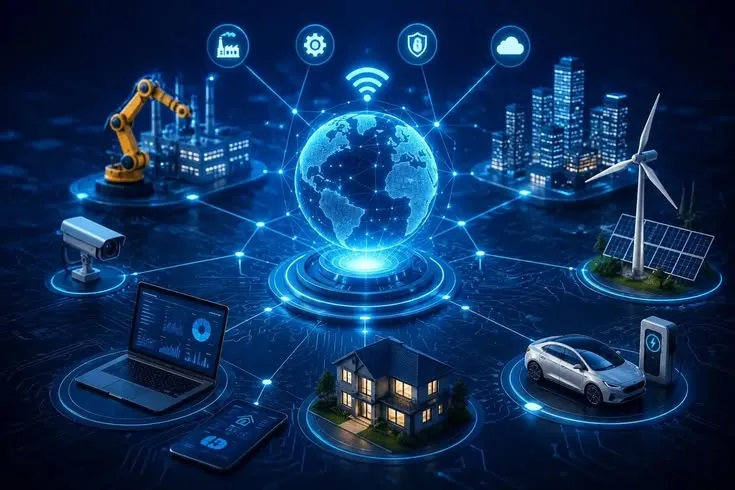
The Internet of Things connects everyday devices, allowing them to communicate and exchange information automatically. Smart homes, wearable devices, industrial equipment, and connected vehicles all rely on IoT technology to improve efficiency and convenience.
Cloud computing continues to play a critical role by providing flexible computing power and secure data storage. Edge computing complements cloud services by processing information closer to where it is generated, reducing network congestion and enabling real-time applications.
Blockchain technology introduces decentralized systems that enhance data integrity, secure digital transactions, and reduce dependence on centralized control. At the same time, advanced communication technologies such as 5G and future 6G networks provide the high-speed connectivity necessary to support emerging digital services.
Benefits of Next Generation Internet Technology
The Next Generation Internet offers numerous advantages for individuals, businesses, governments, and society as a whole. One of its most significant benefits is faster and more reliable connectivity, allowing users to access digital services with minimal delays and improved performance.
Enhanced cybersecurity is another major advantage. Advanced security systems powered by artificial intelligence can detect unusual activities, identify cyber threats, and respond more quickly to protect sensitive information. Improved encryption methods and identity verification technologies further strengthen online security.
NGI also supports innovation by enabling technologies such as autonomous transportation, remote healthcare, virtual reality, smart manufacturing, and intelligent cities. Businesses benefit from improved efficiency, while consumers enjoy more personalized and convenient digital experiences.
Additionally, the Next Generation Internet encourages better resource management through intelligent energy systems, connected infrastructure, and data-driven decision-making, contributing to long-term sustainability.
Real-World Applications of Next Generation Internet Technology
The impact of the Next Generation Internet can already be seen across many industries. In healthcare, intelligent networks enable remote patient monitoring, telemedicine, AI-assisted diagnostics, and connected medical devices that improve patient care and accessibility.
In education, advanced internet technologies support virtual classrooms, interactive learning platforms, and personalized educational experiences powered by artificial intelligence. Students can access learning resources from anywhere while teachers benefit from intelligent digital tools.
Manufacturing industries use connected machines and automated systems to monitor production, predict equipment maintenance needs, and improve operational efficiency. Smart transportation systems rely on real-time communication between vehicles and infrastructure to improve traffic management and road safety.
Agriculture also benefits from connected sensors, automated irrigation systems, weather monitoring, and precision farming techniques that help farmers increase productivity while reducing resource consumption.
The Role of Artificial Intelligence in the Future Internet
Artificial Intelligence is one of the driving forces behind the Next Generation Internet. AI helps networks become more intelligent by automatically optimizing traffic flow, identifying performance issues, and detecting cybersecurity threats before they cause significant damage.
Search engines, virtual assistants, recommendation systems, language translation, and customer support services all benefit from AI-powered technologies. Machine learning enables internet systems to improve continuously by analyzing patterns and learning from previous experiences.
As AI becomes more advanced, future internet services are expected to become increasingly personalized, allowing digital platforms to provide faster responses and more relevant information based on user preferences and behavior.
Challenges Facing Next Generation Internet Technology
Despite its enormous potential, the Next Generation Internet also faces several important challenges. One of the biggest concerns is cybersecurity. As billions of devices become interconnected, protecting digital infrastructure from cyberattacks becomes increasingly complex.
Privacy is another significant challenge. Advanced digital services collect large amounts of user data, making responsible data management and transparent privacy practices essential. Governments and technology companies continue working to balance innovation with user rights and data protection.
Building next-generation internet infrastructure also requires substantial investment in communication networks, cloud systems, and computing resources. Many regions still lack reliable internet access, creating digital inequality that must be addressed to ensure equal opportunities for all users.
Technical compatibility between different devices, platforms, and communication standards also remains an ongoing challenge as technology continues to evolve.
How Businesses and Individuals Can Prepare
Preparing for the Next Generation Internet begins with developing digital skills and understanding emerging technologies. Businesses should invest in cybersecurity, cloud computing, data management, and employee training to remain competitive in an increasingly connected world.
Individuals can prepare by improving digital literacy, learning about online privacy, adopting strong cybersecurity habits, and becoming familiar with technologies such as artificial intelligence, cloud services, and smart devices. Staying informed about technological developments allows users to take advantage of new opportunities while protecting themselves from potential risks.
Organizations that embrace digital transformation responsibly will be better positioned to innovate, improve customer experiences, and adapt to future technological changes.
The Future of Next Generation Internet Technology
The future of the internet will likely become more intelligent, decentralized, secure, and interconnected. Artificial intelligence will continue automating complex tasks, while quantum communication and advanced encryption technologies may revolutionize digital security. The expansion of 6G networks, edge computing, and autonomous systems will support entirely new applications that are currently in early stages of development.
Future internet ecosystems may connect billions of smart devices that communicate seamlessly with one another, creating intelligent homes, connected cities, efficient industries, and advanced healthcare systems. Sustainability will also become an important focus, with digital technologies helping reduce energy consumption and optimize resource management.
Although many innovations are still developing, the direction of internet technology clearly points toward greater intelligence, faster connectivity, stronger security, and improved digital experiences for users worldwide.
Conclusion
Next Generation Internet Technology represents the future evolution of the digital world by combining artificial intelligence, cloud computing, edge computing, blockchain, IoT, and advanced communication networks into one intelligent ecosystem. Rather than replacing today’s internet, it builds upon existing technologies to create faster, safer, and more efficient digital experiences.
From healthcare and education to smart cities, finance, transportation, and industrial automation, the Next Generation Internet has the potential to transform nearly every aspect of daily life. While challenges related to cybersecurity, privacy, infrastructure, and accessibility remain, continuous research and technological innovation are helping shape a more connected future.
Understanding Next Generation Internet Technology provides valuable knowledge for anyone interested in the future of digital innovation. As these technologies continue to mature, they will play a central role in shaping how people communicate, work, learn, and interact in the years ahead.