
Delhi and the National Capital Region are set to receive rain as moisture linked to Cyclone Arnab interacts with a western disturbance. The India Meteorological Department has issued a yellow alert for the capital, forecasting very light to light rain accompanied by thunder and lightning at isolated places. The timing of these showers offers a chance for temporary relief from the heavy pollution that has settled over the region in recent days.
How Cyclone Arnab Is Influencing Northern Weather
Cyclone Arnab developed over the Bay of Bengal and intensified into a very severe cyclonic storm. It crossed the Andhra Pradesh and Yanam coasts on 28 October with maximum sustained winds of 125 to 135 kilometres per hour, gusting up to 150 kilometres per hour. After landfall the system began to weaken, first into a cyclonic storm and then into a depression as it moved inland.
Although the core of the cyclone remained far to the south, its residual moisture has been drawn northward. This moisture is now interacting with a western disturbance positioned over northwest Uttar Pradesh. The combination of these two systems is responsible for the unsettled conditions expected across parts of north India, including Delhi-NCR, Haryana, Chandigarh and adjoining areas.
Forecast for Delhi and the National Capital Region
According to the morning update from the weather department, very light to light rain with thunder and lightning is likely at a few places in Delhi. Gusty winds in the range of 30 to 50 kilometres per hour are also expected. Skies are likely to remain generally cloudy, and temperatures are forecast to stay relatively moderate, with maximums in the mid-to-upper twenties and minimums in the mid-teens Celsius.
Similar conditions are anticipated over neighbouring parts of Haryana and Punjab, where isolated thunderstorms and the possibility of hail have also been flagged. The influence of the combined weather systems may persist for another day or two, keeping the region under a spell of intermittent rain and unsettled weather.
Recent Air Quality Trends in the Capital
In the days leading up to the rain, Delhi’s air quality had remained a serious concern. Readings frequently entered the poor to very poor categories, with particulate matter as the dominant pollutant. On some mornings the Air Quality Index climbed well above 300, reflecting the typical autumn pattern in which cooler temperatures, reduced wind speeds and local emissions allow pollutants to accumulate close to the ground.
Daytime solar heating often provides limited temporary dispersion, but once the sun sets the pollutants tend to settle again. This daily cycle has left residents breathing air that is consistently unhealthy, particularly for vulnerable groups such as children, the elderly and those with respiratory conditions.
How Rain and Wind Can Improve Air Quality
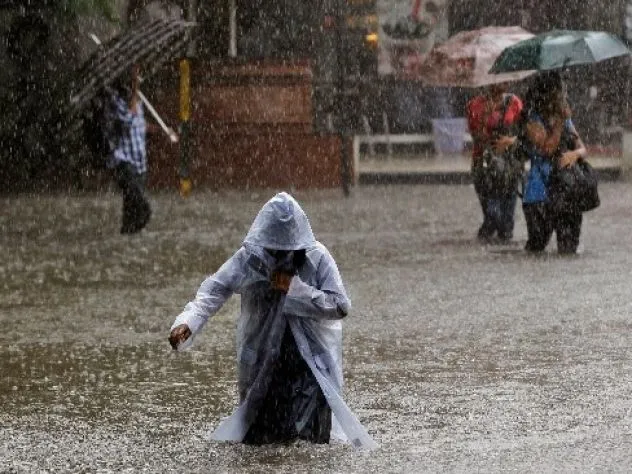
Rainfall has a well-documented cleansing effect on the atmosphere. Water droplets capture particulate matter and bring it to the ground, reducing concentrations of both PM2.5 and PM10. Stronger surface winds associated with the weather systems can further disperse remaining pollutants and prevent them from stagnating in the boundary layer.
The forecast of rain combined with gusty winds therefore creates favourable conditions for a short-term improvement in air quality. Early indications suggest that levels could move from the poor or very poor range into the moderate category if the showers are sufficiently widespread and last long enough. However, the degree of improvement will depend on the actual amount and duration of rainfall, as well as the subsequent wind patterns once the systems move away.
Limits of Weather-Driven Relief
While the coming rain offers welcome respite, experts consistently note that such improvements are temporary. Once the weather systems pass and calm, cooler conditions return, local emissions from vehicles, industry, construction and biomass burning can quickly rebuild pollution levels. Delhi’s winter air-quality challenges are driven by a combination of meteorology and continuous emissions, meaning that weather alone cannot deliver lasting clean air.
The yellow alert issued by the meteorological department serves as a reminder for residents to stay informed. Thunderstorms and gusty winds can bring sudden changes in visibility and road conditions, and isolated heavy showers remain possible even if overall rainfall is described as light.
Broader Context of Seasonal Pollution
October and November mark the transition into Delhi’s most polluted period of the year. Falling temperatures, reduced mixing height and the onset of crop-residue burning in neighbouring states typically combine to produce prolonged spells of poor air quality. Any interruption provided by rain or stronger winds is therefore valuable, both for public health and for reducing the cumulative exposure that builds through the season.
Authorities continue to monitor the situation closely. Real-time air-quality data and weather updates remain the most reliable guides for residents deciding whether to limit outdoor activity, especially during morning and evening hours when pollution often peaks.
What Residents Can Expect in the Coming Days
Over the next 24 to 48 hours, intermittent light rain, cloudy skies and occasional thunderstorms are the most likely scenario. Temperatures should stay comfortable compared with the warmer days that preceded the current spell. Air quality is expected to respond positively to the rainfall and increased ventilation, though the improvement may prove short-lived once drier and calmer conditions return.
The interaction between Cyclone Arnab’s residual moisture and the western disturbance illustrates how distant weather systems can still influence conditions in the national capital. For now, the rain provides a timely opportunity for the city’s air to clear, even if only for a limited period. Staying updated with official forecasts and air-quality readings remains the best way for residents to navigate the changing conditions.
Read more – Aeshikshakosh.com