
Healthy hair that looks strong, shiny, and vibrant depends as much on avoiding damaging habits as it does on using the right products. Many people unknowingly weaken their strands through everyday routines that strip natural oils, cause breakage, or create buildup. Recognizing these common mistakes and replacing them with gentler practices can transform hair quality over time. This guide covers the most frequent errors and practical ways to correct them for lasting results.
Washing Hair Too Frequently or Incorrectly
One of the most widespread issues is washing hair every day or using harsh techniques. Frequent shampooing removes the natural oils that protect and moisturize the scalp and strands. When these oils are stripped repeatedly, the scalp may respond by producing more sebum, leading to greasier roots and drier ends. Hair can become brittle and lose its natural shine.
The better approach is to wash according to individual needs. Those with oily scalps or fine straight hair may benefit from more frequent cleansing, while people with dry, curly, or textured hair often do well washing less often. Focus shampoo primarily on the scalp rather than rubbing it vigorously through the full length of the hair. Use lukewarm water instead of hot water, which can further strip protective oils and contribute to dullness. Always follow with conditioner, applying it mainly to the mid-lengths and ends for most hair types.
Using the Wrong Products for Your Hair Type
Selecting shampoo and conditioner without considering hair texture, porosity, or scalp condition leads to ongoing problems. Formulas designed for fine hair can weigh down thicker strands, while heavy products may leave fine hair limp and greasy. Harsh cleansers can dry out already fragile hair, and insufficient moisturizing leaves it rough and lackluster.
Match products to your specific needs. Look for gentle cleansers if you wash frequently, and richer formulas if your hair tends toward dryness. Clarifying shampoos help remove buildup but should not be used daily, as they can be too stripping when overused. Rinse thoroughly to prevent residue that dulls shine and makes hair feel heavy.
Neglecting the Scalp
Many routines concentrate only on the lengths of the hair while ignoring the scalp. A healthy scalp provides the foundation for strong growth. Product buildup, excess oil, or dryness on the scalp can lead to irritation, flaking, and weaker strands emerging from the follicles.
Incorporate gentle scalp care by massaging cleanser into the scalp during washing and considering occasional treatments suited to your needs. Keeping the scalp clean and balanced supports overall hair strength and appearance.
Handling Wet Hair Too Roughly
Hair is more fragile when wet because water causes the strands to swell and the protective outer layer to lift. Aggressive brushing or combing at this stage easily leads to breakage and split ends. Towel-drying by rubbing vigorously creates similar friction damage.
Instead, gently squeeze excess water with a soft towel or microfiber cloth. Detangle carefully using a wide-tooth comb, starting from the ends and working upward. Applying a leave-in conditioner or detangling product while hair is damp makes the process smoother and reduces stress on the strands. Allow hair to air-dry partially before using any brush if needed.
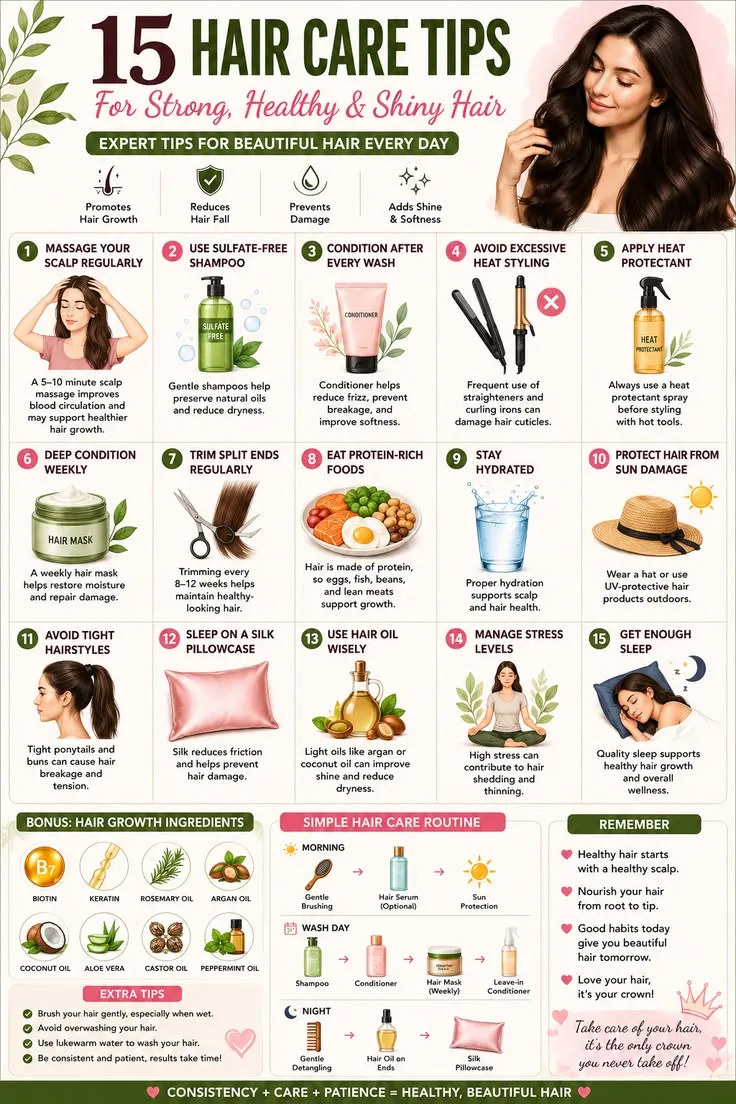
Overusing Heat Styling Tools
Frequent blow-drying, flat-ironing, or curling without protection weakens the hair shaft, leading to dryness, breakage, and loss of shine. Applying hot tools to wet or damp hair intensifies the damage because moisture inside the strand turns to steam and disrupts the structure.
Limit heat styling when possible and always apply a heat protectant product beforehand. Use the lowest effective temperature setting and keep tools moving rather than holding them in one place. Air-drying or heatless styling methods on some days gives hair a chance to recover and retain moisture.
Skipping Regular Trims
Allowing split ends to travel up the hair shaft creates progressive damage that makes strands look frizzy and thin. Even if the goal is length retention, neglecting trims means the ends continue to fray and break.
Schedule regular trims every several weeks or months depending on hair growth and condition. Removing damaged ends keeps the overall appearance healthier and supports stronger-looking hair as it grows.
Relying on Tight Hairstyles and Excessive Tension
Pulling hair tightly into ponytails, buns, or braids places constant stress on the follicles and strands. Over time this tension can contribute to breakage along the hairline and weaken the hair.
Opt for looser styles that do not tug at the roots. Alternate the placement of ponytails and avoid sleeping in tight elastics. Silk or satin materials for hair ties and pillowcases reduce friction during rest.
Overlooking Deep Conditioning and Moisture Balance
Hair that lacks regular moisture becomes dull and prone to snapping. Skipping conditioner after shampooing or failing to provide occasional deeper treatments leaves the cuticle rough, which scatters light and reduces shine.
Condition after every wash and incorporate a weekly mask or intensive treatment suited to your hair type. This helps seal the cuticle, improve manageability, and restore the smooth surface that reflects light for natural shine.
Building Better Habits for Lasting Results
Avoiding these mistakes creates a foundation for stronger, shinier hair. Consistency matters more than perfection. Pay attention to how your hair responds to different practices and adjust accordingly. Gentle handling, appropriate cleansing frequency, heat protection, and regular maintenance work together to preserve the hair’s natural strength and luster.
Healthy hair reflects overall care rather than quick fixes. By replacing damaging habits with thoughtful routines, most people notice improved texture, reduced breakage, and greater shine over time. Small daily changes accumulate into visible results that support the goal of beautiful, resilient hair.
Read more – wasatchglobal.com