
A balanced lifestyle is one of the most important foundations for long-term physical health, mental well-being, and overall happiness. In today’s fast-paced world, many people struggle to balance work, family responsibilities, personal goals, fitness, and relaxation. As a result, stress, poor eating habits, lack of sleep, and burnout have become increasingly common. Health organizations and wellness experts consistently emphasize that maintaining balance across different aspects of life can reduce stress, improve productivity, strengthen relationships, and lower the risk of chronic diseases.
Creating a balanced lifestyle does not require making dramatic changes overnight. Instead, it involves developing healthy daily habits, setting realistic priorities, and making consistent choices that support your physical, emotional, and social well-being. Whether you are a student, working professional, entrepreneur, or retiree, adopting a balanced lifestyle can help you enjoy a healthier, more fulfilling life. This guide explains practical strategies backed by established health and wellness principles to help you achieve lasting balance.
What Is a Balanced Lifestyle?
A balanced lifestyle means maintaining harmony between the different areas of your life, including physical health, mental wellness, emotional stability, relationships, career, finances, and personal growth. Rather than focusing on one aspect while neglecting others, a balanced lifestyle encourages individuals to meet their responsibilities while also making time for rest, recreation, and self-care.
Balance looks different for everyone because each person’s priorities, responsibilities, and goals vary. However, the common objective is to create routines that promote sustainable health and happiness without causing excessive stress or exhaustion. Living a balanced life also means recognizing when adjustments are needed and being flexible enough to adapt to changing circumstances.
Why a Balanced Lifestyle Is Important
A healthy balance positively affects nearly every aspect of life. Research has shown that maintaining healthy habits can improve cardiovascular health, strengthen the immune system, support mental health, and reduce the likelihood of chronic illnesses such as obesity, diabetes, and hypertension. In addition to physical benefits, balance contributes to better emotional resilience, stronger relationships, and increased life satisfaction.
People who maintain a balanced lifestyle often experience higher energy levels, improved concentration, better sleep quality, and greater confidence in managing daily challenges. By reducing chronic stress and supporting overall well-being, balance helps individuals perform better at work, maintain healthy relationships, and enjoy a higher quality of life.
Prioritize Your Physical Health
Physical health forms the foundation of a balanced lifestyle. Taking care of your body allows you to perform daily activities efficiently while reducing the risk of illness and fatigue. A healthy routine includes regular exercise, nutritious eating habits, adequate hydration, and preventive healthcare.
Experts recommend engaging in moderate physical activity throughout the week to support cardiovascular fitness, muscle strength, and flexibility. Exercise also releases endorphins, which improve mood and reduce stress. Choosing enjoyable activities such as walking, cycling, yoga, swimming, or strength training increases the likelihood of maintaining a consistent routine over the long term.
Maintain a Nutritious and Balanced Diet
Nutrition plays a significant role in maintaining both physical and mental health. A balanced diet provides the body with essential nutrients needed for energy production, immune function, and proper organ performance. Consuming a variety of fruits, vegetables, whole grains, lean proteins, healthy fats, and dairy or suitable alternatives supports overall wellness.
Limiting highly processed foods, excessive sugar, unhealthy fats, and excessive sodium can reduce the risk of chronic diseases. Mindful eating, portion control, and regular meal timings also contribute to healthier digestion and improved energy levels throughout the day.
Make Quality Sleep a Daily Priority
Sleep is often overlooked, yet it is essential for maintaining a balanced lifestyle. During sleep, the body repairs tissues, strengthens the immune system, consolidates memory, and restores energy levels. Consistently poor sleep can contribute to fatigue, weakened immunity, mood disorders, and reduced cognitive performance.
Adults generally benefit from seven to nine hours of quality sleep each night. Establishing a consistent bedtime routine, reducing screen exposure before bed, maintaining a comfortable sleeping environment, and limiting caffeine late in the day can significantly improve sleep quality.
Manage Stress in Healthy Ways
Stress is an unavoidable part of life, but managing it effectively is crucial for maintaining balance. Chronic stress can negatively affect physical health, emotional well-being, and relationships. Developing healthy coping strategies helps reduce its long-term impact.
Mindfulness meditation, deep breathing exercises, yoga, journaling, spending time in nature, and engaging in enjoyable hobbies are all effective ways to reduce stress. Learning to recognize stress triggers and responding calmly rather than reactively also improves emotional resilience and overall mental health.
Create a Healthy Work-Life Balance
One of the biggest challenges in modern life is balancing professional responsibilities with personal well-being. Long working hours and constant digital connectivity can lead to burnout and reduced productivity.
Setting clear boundaries between work and personal time allows individuals to recharge and maintain healthier relationships. Taking regular breaks, avoiding excessive overtime, scheduling vacations, and dedicating time to family and hobbies contribute to a healthier work-life balance. Maintaining this balance helps improve both professional performance and personal happiness.
Build Strong Relationships
Healthy relationships contribute significantly to emotional well-being and life satisfaction. Spending quality time with family, friends, and supportive communities provides emotional support during difficult times and creates opportunities for meaningful social interaction.
Effective communication, empathy, trust, and mutual respect strengthen relationships. Making time for regular conversations, shared activities, and expressing appreciation helps maintain lasting personal connections. Strong social support has also been associated with lower stress levels and improved mental health.
Practice Effective Time Management
Managing time efficiently reduces stress and increases productivity. A well-organized schedule allows individuals to balance work, personal responsibilities, exercise, relaxation, and hobbies without feeling overwhelmed.
Setting realistic goals, prioritizing important tasks, and avoiding unnecessary distractions improve daily efficiency. Using planners, digital calendars, or task management applications can help individuals stay organized while maintaining flexibility for unexpected situations.
Continue Learning and Personal Development
A balanced lifestyle includes continuous personal growth. Learning new skills, exploring hobbies, reading books, attending workshops, or pursuing educational opportunities keeps the mind active and encourages lifelong development.
Personal growth improves self-confidence, adaptability, and problem-solving abilities. It also provides a sense of purpose and fulfillment, helping individuals remain motivated throughout different stages of life.
Manage Your Finances Responsibly
Financial stability contributes significantly to overall well-being. Poor financial management often leads to stress, anxiety, and relationship conflicts. Developing healthy financial habits helps create greater security and peace of mind.
Creating a realistic budget, tracking expenses, building an emergency fund, reducing unnecessary debt, and planning for long-term financial goals are important components of a balanced lifestyle. Financial discipline allows individuals to focus more on personal growth and well-being rather than constant financial worries.
Limit Screen Time and Embrace Digital Wellness
Technology has become an essential part of modern life, but excessive screen time can negatively affect sleep, concentration, posture, and mental health. Constant notifications and social media use may increase stress and reduce opportunities for meaningful personal interactions.
Practicing digital wellness involves setting screen-time limits, taking regular breaks from electronic devices, avoiding unnecessary multitasking, and creating technology-free periods during meals or before bedtime. These habits support better focus, healthier relationships, and improved mental well-being.
Practice Gratitude and Positive Thinking
Maintaining a positive outlook helps individuals cope more effectively with life’s challenges. Practicing gratitude encourages appreciation for positive experiences rather than focusing solely on problems.
Keeping a gratitude journal, reflecting on daily achievements, and celebrating small successes contribute to improved emotional well-being. Positive thinking also strengthens resilience and encourages healthier responses to setbacks and uncertainty.
Stay Flexible and Adapt to Change
Life circumstances constantly change, making flexibility an important part of maintaining balance. Unexpected challenges, career changes, family responsibilities, or health issues may require adjustments to daily routines and priorities.
Accepting change with an open mindset allows individuals to adapt without becoming overwhelmed. Developing resilience, learning from experiences, and maintaining realistic expectations help preserve balance even during difficult periods.
Common Mistakes That Disrupt a Balanced Lifestyle
Many people unintentionally create imbalance by overworking, neglecting sleep, maintaining unhealthy eating habits, avoiding physical activity, or failing to prioritize mental health. Ignoring personal relationships, delaying self-care, and constantly multitasking can also increase stress and reduce overall well-being.
Recognizing these habits early and making gradual improvements can prevent burnout and promote healthier long-term routines.
Practical Tips to Create a Balanced Lifestyle
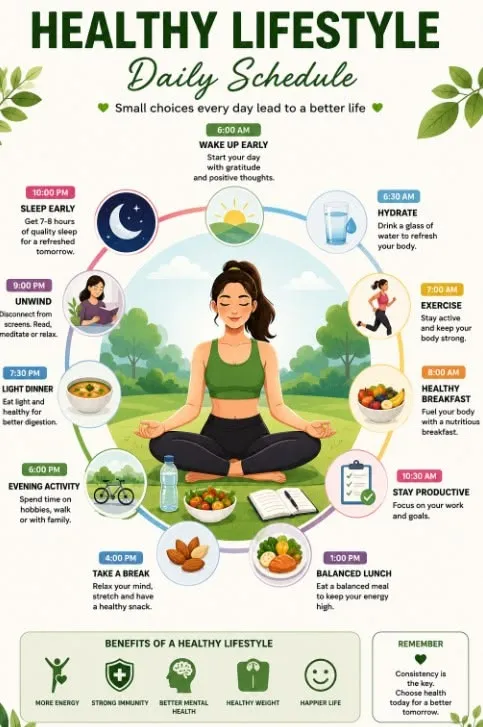
Creating a balanced lifestyle begins with small, consistent actions rather than major lifestyle changes. Setting achievable goals, following a daily routine, staying physically active, eating nutritious meals, getting enough sleep, and making time for relaxation all contribute to lasting improvements.
Regular self-reflection helps identify areas that need attention while maintaining flexibility allows routines to evolve as life changes. Consistency is far more important than perfection when developing healthy habits.
Conclusion
Creating a balanced lifestyle is an ongoing journey rather than a destination. By paying equal attention to physical health, mental well-being, emotional resilience, relationships, career, finances, and personal growth, individuals can build a healthier and more fulfilling life. Small daily choices, practiced consistently over time, create meaningful long-term improvements that support both personal happiness and professional success.
A balanced lifestyle not only reduces stress and improves overall health but also enhances productivity, strengthens relationships, and increases life satisfaction. By adopting healthy habits, setting realistic priorities, and remaining adaptable to change, anyone can create a sustainable lifestyle that promotes lasting well-being and helps them thrive in every stage of life.