
Happiness is an important part of a healthy and meaningful life. While many people believe happiness depends mainly on major achievements, wealth, or external situations, everyday happiness often comes from small habits, positive thinking patterns, meaningful relationships, and healthy lifestyle choices.
In a busy world filled with responsibilities, stress, and constant distractions, maintaining a positive mindset can become challenging. However, happiness is not only an emotion that appears during special moments; it is also a skill that can be developed through daily practices.
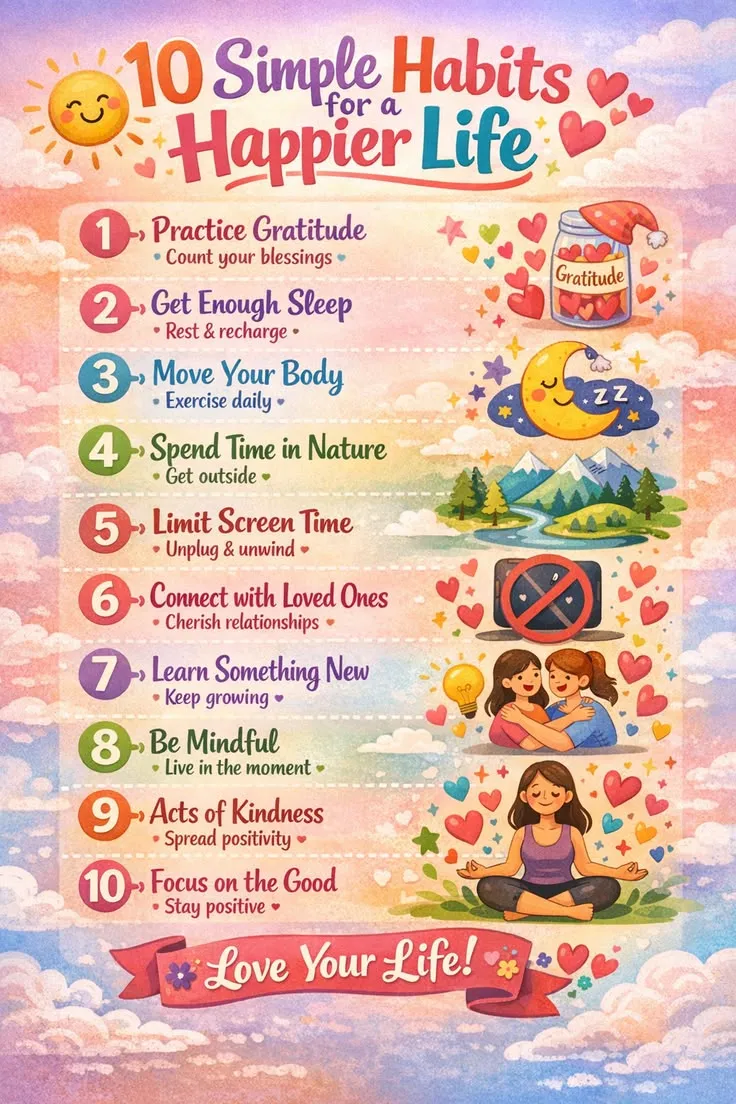
Simple actions such as expressing gratitude, spending time with loved ones, taking care of physical health, learning new things, and focusing on the present moment can improve overall well-being.
Developing habits that support happiness does not mean ignoring problems or avoiding difficult emotions. Instead, it means building emotional strength and creating a balanced approach to life.
This guide explains effective ways to improve everyday happiness and develop habits that encourage a more positive and fulfilling lifestyle.
Understand the Meaning of Everyday Happiness
Everyday happiness refers to the regular feelings of satisfaction, peace, and positivity experienced during daily life. It does not mean feeling happy all the time or avoiding challenges.
Life naturally includes stress, failures, and difficult situations. True happiness comes from learning how to handle these experiences while maintaining emotional balance.
Small moments often contribute significantly to happiness, such as enjoying a conversation, completing a task, spending time in nature, or appreciating simple achievements.
When people focus only on major goals, they may overlook the positive experiences already present in their daily lives. Learning to recognize and value these moments can improve overall happiness.
Practice Gratitude Every Day
Gratitude is one of the most effective habits for developing a positive mindset. It involves recognizing and appreciating the good things in life, whether they are big achievements or small moments.
Taking a few minutes each day to think about things you are thankful for can shift attention away from negativity and encourage positive thinking.
People can practice gratitude by maintaining a gratitude journal, appreciating supportive relationships, acknowledging personal progress, or simply reflecting on positive experiences.
Gratitude does not remove problems, but it helps individuals develop a healthier perspective and focus on what is meaningful.
Build Strong Relationships
Healthy relationships are a major source of happiness and emotional support. Positive connections with family, friends, colleagues, and communities create a sense of belonging.
Spending quality time with people who provide encouragement and understanding can improve mood and reduce feelings of loneliness.
Strong relationships require effort, communication, and trust. Simple actions such as checking on someone, listening carefully, expressing appreciation, and offering support can strengthen connections.
Building meaningful relationships creates a supportive environment where people feel valued and understood.
Focus on Physical Health
Physical health and happiness are closely connected. Taking care of the body can improve energy levels, mood, and overall well-being.
Regular physical activity supports the release of chemicals in the body that are linked with improved mood and reduced stress.
A balanced diet provides essential nutrients that support brain function and energy. Proper sleep helps the body recover and improves emotional regulation.
Healthy lifestyle habits do not need to be complicated. Simple actions such as walking regularly, eating nutritious meals, staying hydrated, and maintaining a consistent sleep schedule can make a significant difference.
Develop a Positive Mindset
A positive mindset helps people approach challenges with greater confidence and resilience.
Positive thinking does not mean ignoring problems or pretending everything is perfect. Instead, it involves focusing on solutions, learning from experiences, and maintaining hope during difficult situations.
People can develop a positive mindset by replacing negative self-talk with encouraging thoughts and recognizing their strengths.
The way individuals interpret situations often influences their emotions. Developing healthier thinking patterns can improve emotional well-being.
Live in the Present Moment
Many people experience stress by constantly worrying about the future or focusing on past mistakes.
Practicing mindfulness helps individuals pay attention to the present moment and appreciate current experiences.
Mindfulness can be developed through activities such as meditation, deep breathing, mindful walking, or simply focusing fully on daily activities.
Being present allows people to enjoy small moments instead of constantly searching for future happiness.
Create Meaningful Goals
Having clear goals gives life direction and motivation. Meaningful goals help individuals focus their energy on personal growth and achievement.
Goals do not always need to involve major accomplishments. Small daily goals, such as learning a skill, improving health habits, or completing personal projects, can create a sense of progress.
Achieving small milestones builds confidence and encourages continued improvement.
However, happiness should not depend only on reaching goals. Enjoying the journey and appreciating progress are equally important.
Learn New Skills and Explore Interests
Learning new things can increase happiness by creating curiosity, confidence, and personal satisfaction.
Exploring hobbies, developing skills, reading books, learning languages, creating art, or trying new activities can bring excitement into everyday life.
Continuous learning keeps the mind active and provides opportunities for personal growth.
Finding activities that create a sense of enjoyment and purpose can improve emotional well-being.
Spend Time in Nature
Nature can have a positive effect on mental and emotional health. Spending time outdoors can help reduce stress and create feelings of calmness.
Activities such as walking in parks, gardening, hiking, or simply enjoying fresh air can improve mood.
Nature provides an opportunity to disconnect from digital distractions and reconnect with the surroundings.
Even short periods spent outdoors can contribute to a more balanced and positive lifestyle.
Reduce Negative Influences
The environment around people can influence their emotions and thoughts.
Constant exposure to negativity, unhealthy comparisons, or excessive social media use may affect happiness.
Creating healthier boundaries with negative influences can improve mental well-being.
This does not mean avoiding all challenges, but rather choosing environments and habits that support positivity and personal growth.
Being mindful of the content consumed online and the people one spends time with can contribute to a healthier mindset.
Practice Kindness and Helping Others
Helping others can create feelings of purpose and satisfaction. Acts of kindness, whether small or large, strengthen social connections and improve emotional well-being.
Simple actions such as supporting a friend, helping someone in need, sharing knowledge, or showing appreciation can create positive experiences.
Kindness benefits both the receiver and the person offering support.
Developing a habit of compassion can make daily life more meaningful and positive.
Maintain Balance Between Work and Personal Life
A balanced lifestyle is important for long-term happiness. Excessive focus on work or responsibilities without time for relaxation can increase stress.
Creating time for hobbies, relationships, rest, and personal interests helps maintain emotional balance.
Setting boundaries, organizing tasks, and managing time effectively can prevent burnout.
A balanced routine allows individuals to enjoy professional success while also taking care of personal well-being.
Limit Stress and Manage Challenges Effectively
Stress is a natural part of life, but managing it effectively is important for happiness.
Healthy stress-management techniques include exercise, relaxation practices, talking with trusted people, organizing responsibilities, and taking breaks when needed.
Developing problem-solving skills helps individuals handle challenges with greater confidence.
Learning how to manage stress allows people to maintain a more stable and positive outlook.
Avoid Comparing Yourself With Others
Constant comparison with others can reduce happiness and confidence.
Everyone has different experiences, challenges, and personal journeys. Comparing achievements, lifestyles, or progress with others often creates unnecessary pressure.
Instead, individuals should focus on personal growth and appreciate their own progress.
Self-acceptance and realistic expectations are important parts of developing lasting happiness.
Conclusion
Improving everyday happiness is not about making life perfect; it is about creating habits that support positivity, balance, and emotional well-being.
Simple practices such as gratitude, meaningful relationships, healthy routines, mindfulness, learning, kindness, and positive thinking can significantly improve daily experiences.
Happiness grows through consistent actions and choices. By focusing on what truly matters, appreciating small moments, and taking care of physical and emotional health, individuals can build a more positive and fulfilling life.
A happier life is created step by step through everyday habits that encourage growth, connection, and gratitude.