
Indian Idol made Amit Sana, Abhijeet Sawant and Rahul Vaidya immediate stars. While the other two saw sustained fame and success in different ways, Amit chose a quieter path. Disillusioned by what he has described as the “fake” side of Bollywood and the industry around it, he gradually stepped away from celebrity life. In recent reflections, he has spoken candidly about the confusion that followed sudden stardom, the struggle to earn consistently, and his decision to detach from the limelight for years.
Overnight Fame and Cultural Shock
The first season of Indian Idol, which aired in 2004-2005, turned several young singers into household names almost overnight. Amit Sana, a classical music student from a small town in Chhattisgarh, finished as runner-up to Abhijeet Sawant. The exposure was intense. Fans, media attention, fashion designers and film industry figures suddenly surrounded him.
Sana has recalled that the experience was disorienting. Coming from a modest background, Mumbai itself felt like a cultural shock. He had grown up focused on classical music and was not prepared for the social world that accompanied television fame. “When you see so much stardom all of a sudden, it confuses you,” he has said. He arrived in the city admiring artists such as Sonu Nigam and Lucky Ali, yet found himself unready for the realities of the entertainment business.
Losing Respect for the Glamour
One of the more striking aspects of Sana’s account is how quickly the attention from established figures began to feel hollow. Designers approached him to wear their clothes. Actors invited him to parties. At first the invitations seemed flattering. Over time they left him uneasy.
He has described an inability to say no, which led him into social situations that made him uncomfortable. Compliments often felt like flattery rather than genuine regard. He could not understand why people who had enjoyed years of stardom appeared to need validation from someone who had only just become known. Many of the gatherings, he recalled, involved heavy drinking and displays of influence that felt more like assertions of power than simple hospitality. The overall effect was a loss of the respect he had once held for big names when viewing them from a distance.
The Struggle to Earn
Despite the visibility that Indian Idol brought, consistent paid work proved elusive. Sana has stated plainly that he could never earn money in a stable way after the show. He remained in a prolonged state of struggle. Shows did not materialise in the numbers he expected. Between 2006 and 2008 the difficulty was especially acute. Bound by a contract with Sony, he would wait for a cheque every three months and manage his expenses with that amount. The gap between public recognition and actual livelihood left him frustrated.
The contrast with the immediate post-show period was sharp. Early on he received offers for stage performances that paid in lakhs—sums that felt enormous compared with his father’s modest salary at the time. Yet the momentum did not translate into a sustainable career in the film or popular music industry. Playback opportunities remained limited, and the steady stream of work that many assumed would follow reality-television success never fully arrived.
Choosing Silence
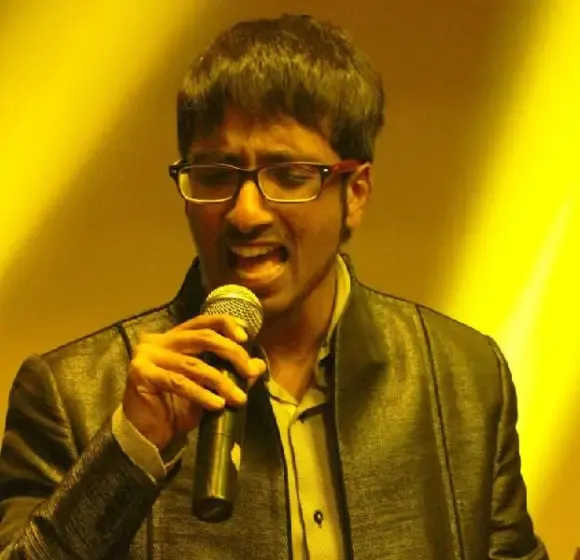
Faced with both the artificiality he perceived in industry social circles and the practical difficulty of making a living, Sana eventually chose to withdraw. He has described the limelight as a jarring process that only a few navigate successfully. In his case, he wanted to detach completely from the extreme popularity that Indian Idol had generated. He went silent for a period and made no deliberate attempt to force a return to public attention.
The years away became a time of self-examination. Spirituality played a role in helping him find greater balance. He continued to work on music privately, writing and refining songs, but without the pressure of constant visibility. Looking back, he has framed the long break not as stagnation but as a necessary phase in which deeper foundations could develop out of public view.
A Different Path from His Contemporaries
Abhijeet Sawant, the winner of the same season, and Rahul Vaidya, another prominent contestant from the early years of the show, followed more conventional trajectories within the industry. They continued performing, releasing music and remaining recognisable faces on television and stage. Sana’s decision to step back set him apart. While they converted the initial platform into ongoing careers of varying scale, he prioritised distance from an environment he found inauthentic and financially precarious.
His recent return to the Indian Idol franchise, more than two decades later, has been framed as a full-circle moment rather than a calculated comeback. He has spoken of wanting to reconnect with long-time listeners and to experience how the world of televised music competition has changed. The decision appears rooted less in a hunger for renewed celebrity and more in a sense of readiness after years of private development.
An Honest Assessment of Reality-Show Aftermath
Sana’s account offers a less commonly heard perspective on the aftermath of reality-television success. The narrative that winning or placing highly on a major show automatically leads to stable careers and industry acceptance does not match his experience. Sudden fame, in his telling, brought confusion, social pressure and financial uncertainty rather than security.
By speaking about the “fake” quality he encountered and the practical struggle to earn, he highlights the gap that can exist between television popularity and sustained professional footing. His choice to walk away, though it meant years of relative obscurity, allowed him to reclaim a sense of direction on his own terms.
In an industry that often celebrates visibility above all else, Amit Sana’s story remains a reminder that not every participant seeks or thrives in permanent celebrity. For him, the more valuable outcome of Indian Idol may ultimately have been the clarity that came from stepping outside its glare.
Read more – PeopleStoryHub.com