
Delhi’s air quality has deteriorated sharply in the first days of October 2026, marking the most polluted start to the month since 2020. After a relatively clean September, pollution levels have climbed for five consecutive days. On Sunday, 4 October, the city’s average Air Quality Index reached 187, the highest reading in more than 80 days. The shift has raised early concerns about the approaching winter pollution season.
A Clear Break from Recent Cleaner Air
September 2026 had offered a brief respite. The capital recorded one of its cleaner Septembers in recent years, aided by monsoon rainfall that helped wash pollutants from the air. That improvement proved temporary. Once the monsoon withdrew and dry conditions returned, particulate levels began rising again. By the first week of October the average AQI for the opening days stood at 174.5—higher than the corresponding periods in 2021 through 2025 and only marginally better than the 176.25 recorded in 2020.
On 4 October the 24-hour average settled at 187 in the moderate category, though several monitoring stations pushed into the poor range. Of the 43 active stations, 14 to 16 reported poor air quality. Mundka recorded the highest value at 273, followed closely by Narela and Mathura Road CRRI stations near 257. Other localities, including Jahangirpuri, also posted elevated readings. Neighbouring areas in the National Capital Region, such as Noida and Ghaziabad, registered even higher figures on the same day.
Meteorological Factors at Work
The primary immediate driver has been a change in weather conditions. After the monsoon’s withdrawal, rainfall became scarce and surface winds weakened. Wind patterns shifted from the more dispersive moist easterlies toward slower north-westerlies. With reduced wind speed and limited vertical mixing, pollutants generated locally and regionally began to accumulate closer to the ground.
Temperatures remained above normal, with maximums around 36°C and minimums near 24°C. While warmer conditions can sometimes aid dispersion, the combination of calm winds and the absence of rain created favourable conditions for the build-up of particulate matter. Experts noted that PM10—coarse inhalable particles linked to road dust, construction activity and other sources—emerged as a dominant pollutant during this phase.
Local and Regional Emission Sources
Delhi’s baseline emission load remains high throughout the year. Traffic, construction dust, industrial activity, power generation and biomass burning contribute continuously. In early October these sources faced fewer meteorological mechanisms to dilute them. Construction and road dust, in particular, become more prominent when the ground is dry and winds are light.
Regional contributions are also beginning to appear. Data from the Indian Agricultural Research Institute recorded 203 stubble-burning incidents across Punjab, Uttar Pradesh and Madhya Pradesh between 15 September and 3 October. Numbers on individual days remained modest, yet the incidents signal the start of the post-harvest burning period that traditionally intensifies later in the month and through November. North-westerly winds can transport this smoke toward the capital once the frequency of fires increases.
Early Warning for the Pollution Season
The current rise is significant because it arrives earlier than the peak winter period. Historically, Delhi’s most severe air-quality episodes occur from late October through December, when cooler temperatures, temperature inversions and a surge in farm fires combine to trap pollutants. The fact that AQI values have already climbed into the high moderate and poor ranges in the first week of October suggests that the seasonal deterioration may begin sooner or build from a higher baseline this year.
Officials and researchers have pointed out that the total emission load in the region does not change dramatically from week to week. What changes is the atmosphere’s ability to disperse those emissions. When winds weaken and rainfall ceases, the same volume of pollutants produces higher concentrations at breathing level. The present spell illustrates that mechanism clearly.
What Lies Ahead
Forecasts indicated limited rainfall in the immediate days following 4 October, with partly cloudy skies and continued dry conditions. Without a significant weather system to clear the air, further gradual increases in particulate levels are possible. As temperatures begin their seasonal decline and north-westerly flows strengthen, the transport of regional pollutants is likely to become more pronounced.
Authorities continue to monitor the situation through the existing network of stations and the graded response mechanisms designed for the National Capital Region. Enforcement against local sources—dust control at construction sites, restrictions on open burning and traffic management—remains part of the standard toolkit. The effectiveness of these measures will be tested as the season progresses.
A Familiar Pattern with an Early Start
Delhi’s air-quality challenges are well documented. The transition from monsoon to winter routinely brings rising pollution. What distinguishes the current episode is its timing and intensity relative to recent years. Reaching an AQI of 187 so early in October, and posting the highest four-day average for the month since 2020, underscores how quickly conditions can shift once meteorological support for clean air disappears.
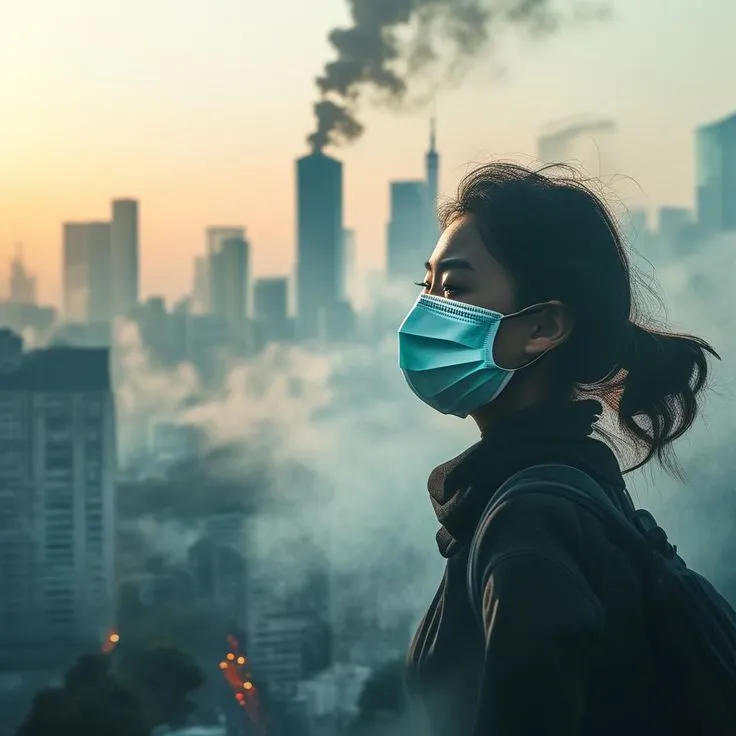
For residents the practical implications are already visible: more days in the moderate-to-poor range, greater caution advised for sensitive groups, and the familiar return of conversations about masks, outdoor activity and long-term health effects. The coming weeks will determine whether this early deterioration settles into a prolonged period of elevated pollution or whether intervening weather systems provide temporary relief.
The data from the first days of October serve as a clear signal. The cleaner air of September has given way to a more typical—and concerning—seasonal pattern, arriving sooner than many had hoped.
Read more – carandbikejunction.com