
An organized home and structured daily life reduce mental load, free up time, and create a calmer environment. Clutter and disorganization often contribute to low-level stress, frustration from searching for items, and difficulty focusing. In contrast, clear spaces and reliable systems support a greater sense of control and ease. Organizing does not require perfection or an entire weekend of effort. Sustainable results come from starting small, making deliberate decisions about belongings, and building simple habits that maintain order over time.
The Connection Between Organization and Well-Being
Physical clutter competes for attention and can elevate stress hormones while making it harder to relax or concentrate. When surfaces are clear and items have designated places, the mind encounters fewer visual distractions. People frequently report feeling lighter and more capable after decluttering even one area. Organization also saves time previously spent looking for keys, documents, or household supplies. These practical gains compound into lower daily friction and improved mood.
Begin with a Clear Intention and Small Scope
Effective organization starts with a realistic vision of how the space and schedule should function. Consider which activities matter most—peaceful mornings, efficient work, easier family routines—and let that guide priorities. Avoid attempting to overhaul the entire home at once. Choose one drawer, shelf, or category of items. Completing a small zone produces visible progress and builds momentum for the next step.
Declutter Before Organizing
Organization works best after reducing excess. Evaluate belongings by asking whether an item is used regularly, serves a current purpose, or holds meaningful value. Unused duplicates, outdated papers, clothes that no longer fit, and broken objects typically add weight without benefit. Work through categories such as clothing, papers, kitchen items, or sentimental objects rather than jumping randomly between rooms. This approach prevents unfinished piles and decision fatigue.
Donate, recycle, or discard items promptly so they leave the home. Keeping a donation bag or box in a convenient location makes the process ongoing rather than occasional. The goal is not minimalism for its own sake but creating space that supports daily life.
Create Logical Homes for Everything
Once excess is reduced, assign a specific place for what remains. Items used together should be stored together. Frequently needed objects belong in accessible locations; rarely used ones can occupy higher shelves or deeper storage. Clear containers, labels, and simple dividers help maintain order, especially in shared spaces. The easier it is to return an item after use, the more likely the system will last.
In the kitchen, group cooking tools near the stove and food storage near the pantry. In the entryway, designate spots for keys, bags, and shoes. In work areas, limit desktop items to those required for current tasks and file or store the rest. Consistency in placement reduces the mental energy required to locate things later.
Build Daily and Weekly Maintenance Habits
A one-time cleanup fades without supporting routines. Simple daily habits prevent clutter from accumulating. Spend five to ten minutes each evening returning items to their places, wiping surfaces, and preparing the next day. A weekly reset—reviewing papers, clearing the refrigerator, or tidying one problem zone—keeps systems functional.
Involve household members by making expectations clear and storage intuitive. When everyone understands where things belong, maintenance becomes shared rather than one person’s burden. Habit stacking—linking a new organizing action to an existing routine, such as sorting mail immediately after bringing it inside—increases follow-through.
Organize Time and Tasks Alongside Physical Space
Life organization extends beyond physical objects. A reliable system for capturing tasks, appointments, and commitments reduces the stress of trying to remember everything. Choose one primary tool—a notebook, digital list, or calendar—and use it consistently. Break larger projects into small next actions and schedule realistic time for them.
Prioritization helps prevent overwhelm. Identify the few tasks that matter most each day and protect time for them. Batching similar activities, such as responding to messages at set times, limits constant context switching. Building buffers into the schedule accounts for the unexpected and reduces the pressure of back-to-back obligations.
Morning and evening routines create structure that supports both home and personal order. A simple morning sequence might include making the bed, reviewing the day’s priorities, and clearing the breakfast area. An evening routine can involve preparing clothes or bags for the next day and completing a quick tidy. These bookends reduce decision fatigue and help the home stay manageable.
Address Common Problem Areas
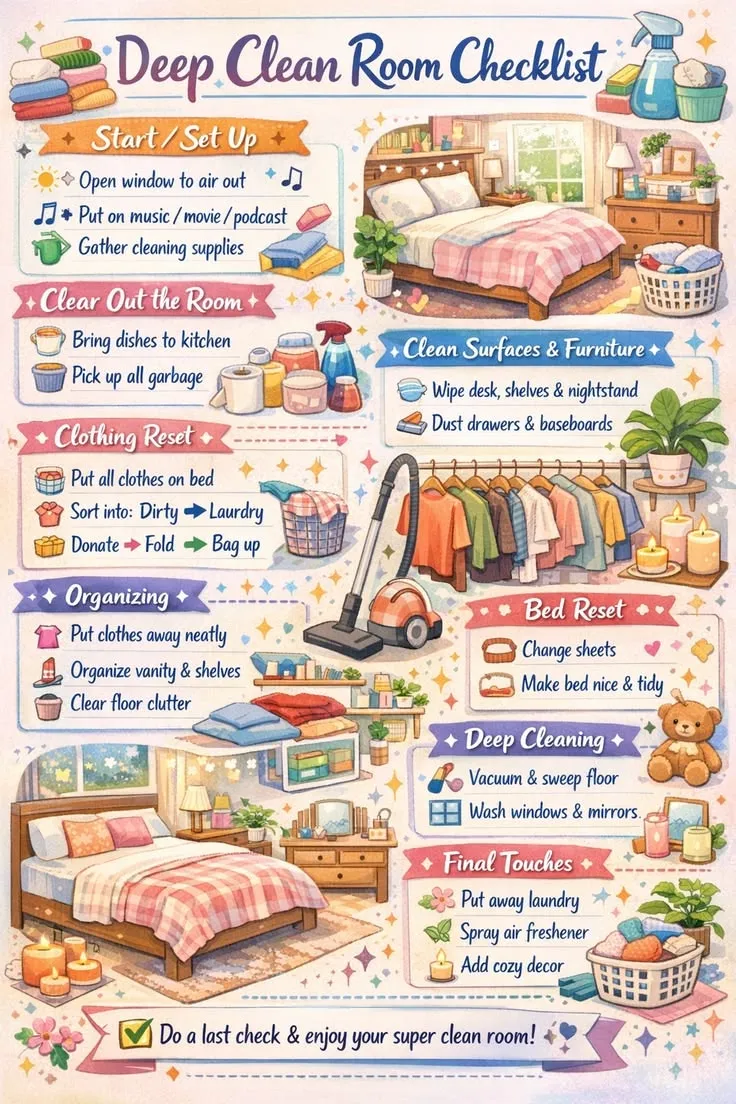
Paper tends to multiply quickly. Establish a habit of processing mail and documents regularly: recycle or shred what is unnecessary, file what must be kept, and act on what requires a response. Digital clutter benefits from similar treatment—unsubscribe from unneeded emails and organize files into clear folders.
Closets and drawers stay functional when everything inside is visible and reachable. Fold or hang clothes in a way that allows easy selection, and keep only current seasonal items in prime space. In shared living areas, limit decorative objects and surfaces that collect random items. Open space often feels more calming than filled displays.
Maintain Progress Without Perfection
Organization is an ongoing practice rather than a final destination. Life changes—new work demands, seasons, or family needs—require occasional adjustments to systems. Periodic reviews every few months help refine what is working and release what is not. Aim for functional order that supports daily life rather than an idealized image of perfection. A home that is mostly tidy and easy to maintain produces greater calm than one that looks perfect only on rare occasions.
Sustaining a Stress-Free Lifestyle
An organized home and structured approach to time create cumulative benefits: less frustration, clearer focus, more available energy, and a stronger sense of control. The process begins with small, deliberate actions—clearing one surface, assigning a home for frequently lost items, or establishing a short daily reset. Over time these actions form reliable systems that protect against clutter and overwhelm.
By reducing excess, creating logical storage, maintaining simple habits, and organizing tasks with equal care, it becomes possible to live with greater ease. The result is not a showroom but a supportive environment that frees attention for what matters most. Consistent, realistic organization remains one of the most practical paths to a calmer and more intentional lifestyle.
Read more – casinopeers.com