
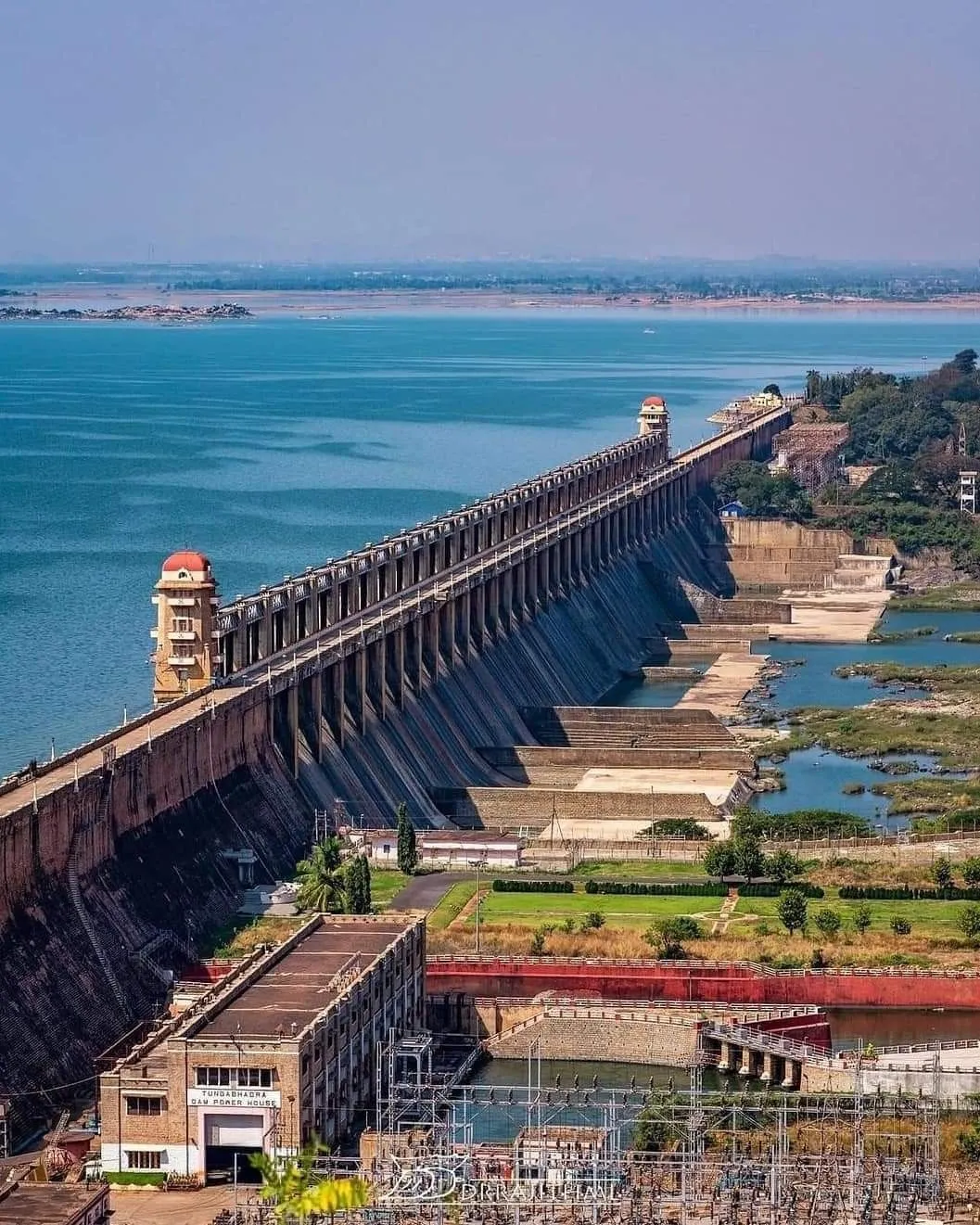
The Mettur Dam, also known as the Stanley Reservoir, stands as the primary water source for Tamil Nadu’s fertile Cauvery delta, the state’s traditional rice belt. Located in Salem district, the dam regulates the flow of the Cauvery river into the downstream agricultural districts that depend on its waters for paddy cultivation. This year, a weak southwest monsoon and limited inflows delayed the customary release, and Chief Minister C. Joseph Vijay is scheduled to open the sluice gates on 1 September 2026.
The Dam and the Delta
Built across the Cauvery, the Mettur Dam stores water that sustains irrigation across large parts of the delta region, including districts such as Thanjavur, Tiruvarur and Nagapattinam. Farmers in these areas rely on canal systems fed by the reservoir for both the short-duration kuruvai crop and the longer samba season. The dam’s full reservoir level is 120 feet, with a total capacity of approximately 94 tmcft. Maintaining a minimum storage of around 10 tmcft is considered necessary for operational and safety reasons.
For decades, water has traditionally been released on 12 June to support the kuruvai crop. Timely release allows farmers to complete sowing early, harvest before the peak of the northeast monsoon, and then prepare fields for the subsequent samba crop. When the June release is missed, the agricultural calendar is disrupted and the area under short-duration paddy often shrinks.
Reasons for the 2026 Delay
At the beginning of the 2026-27 water year, usable storage in the Mettur Dam stood at only 41.223 tmcft. Inadequate rainfall in the Cauvery catchment during the southwest monsoon, combined with limited releases from reservoirs in Karnataka, prevented the dam from accumulating sufficient water for an early irrigation release. Continuous supply to the delta was not feasible while the minimum storage level had to be preserved. Drinking water requirements across the state were met, but irrigation releases were held back.
By late August, improved inflows raised the water level to the range of 88 to 90 feet. Storage improved correspondingly, creating conditions in which a controlled release became possible. The government assessed current levels, expected further inflow, and the approaching northeast monsoon before deciding to open the gates.
The September Release Plan
Water Resources Minister N. Anand announced that Chief Minister C. Joseph Vijay would formally release water from the Stanley Reservoir on 1 September for a period of 45 days. The decision took into account the state’s drinking water needs, the irrigation requirements of the Cauvery delta, and repeated requests from farmers and the public. The actual volume and duration of release will remain subject to storage levels and ongoing inflows.
Officials have directed the Agriculture and Farmers Welfare Department to prepare for cultivation in the delta districts. While the window for kuruvai has largely passed, the September release is expected to support samba paddy over a substantial area. Farmers have been advised to use the available water judiciously and to follow guidance from the agriculture department on crop choice and water management.
Inter-State Water Context
The delay this year occurred against the backdrop of the long-standing Cauvery water-sharing arrangement between Tamil Nadu and Karnataka. Tamil Nadu has repeatedly sought timely releases from upstream reservoirs in accordance with tribunal awards and court directions. Limited inflows earlier in the season contributed to the low storage at Mettur and the postponed opening. Recent rains in the catchment areas improved the situation, allowing the state government to proceed with the September release.
Importance for Agriculture and Livelihoods
The Cauvery delta remains one of Tamil Nadu’s most productive agricultural zones. Reliable canal irrigation underpins the livelihoods of large numbers of farming households and supports the state’s rice production. When water arrives late, farmers face difficult choices: reduce the area under cultivation, rely more heavily on groundwater where available, or shift crop patterns. Groundwater dependence has already increased in parts of the delta in recent years, raising concerns about long-term sustainability.
A 45-day release from early September offers a partial recovery window. It enables field preparation and sowing for the samba season and helps stabilise expectations among cultivators who had waited through a difficult monsoon period. The presence of the Chief Minister at the formal opening underscores the political and economic significance attached to the event.
Looking Ahead
The success of the current release will depend on continued inflows, careful regulation of outflows, and efficient use of water in the canal system. The northeast monsoon, which typically arrives in October, will play a critical role in replenishing storage and extending the irrigation season. Coordination between the water resources and agriculture departments will be essential to maximise the benefit for farmers.
The Mettur Dam continues to function as the central node in Tamil Nadu’s Cauvery irrigation network. Its storage and release decisions directly influence cropping patterns, farm incomes and food production in the delta. This year’s delayed but deliberate opening on 1 September reflects both the constraints imposed by a weak monsoon and the effort to respond once conditions improved. For the rice belt of Tamil Nadu, the water flowing from Mettur remains indispensable.
Read more – Instantdua.com